


Church Interviews: It Goes Both Ways
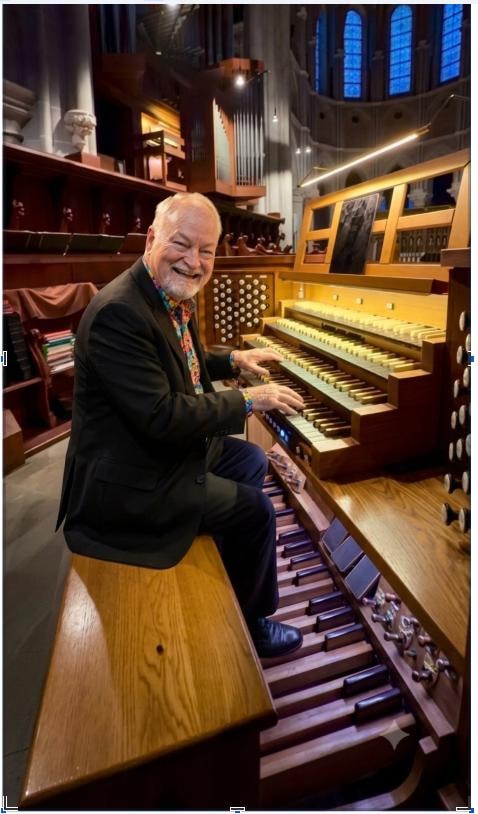
Picture this: you are sitting across from a pastoral search committee. In the room sit the senior pastor, key staff leaders, and several board members. They have already evaluated your recordings, reviewed your credentials, and narrowed fifty — or two hundred — applicants down to a final handful. Now you are in the final selection stage for the worship pastor position.
It's natural to feel nervous. But shifting your perspective can help you feel more at ease.
If you are a seasoned musician with proven technical skill and pedagogical command, the interview is not just a trial — it's an opportunity to build mutual trust. While you must present your vision and character with excellence, leadership should also demonstrate that their environment is welcoming and worthy of your investment.
Preparation and Presentation Establish Authority
Before a single question is answered, how you show up speaks volumes.
Visual polish is key to making the interview process feel respectful and professional. Clean grooming, professional attire, and intentional presentation convey respect for the office and the congregation — and help you feel confident and respected in return. Prepared Transparency means offering clear, direct answers about your theology of worship, rehearsal management, and relational leadership. It shows confidence without arrogance. Mutual Inquiry is perhaps the most overlooked element: you interview the ministry as deeply as they examine you. Ask about budget, volunteer culture, the last music director's departure, and the congregation's openness to change. Their answers will tell you everything.When Technology Fails the Process
We scheduled an online video conference for 7:30 p.m., and I was seated at my desk on time — materials ready, expecting a focused discussion with the pastor.
What followed was a thirty-minute phone call on speakerphone.
Technical friction can undermine the interview process and hinder leadership discernment. To prevent issues like incorrect meeting credentials or disorganized calls, test your technology beforehand, confirm meeting details with all participants, and have a backup plan — a secondary link or phone option. Proper preparation ensures a smooth, professional evaluation environment.
The questions were standard, and my responses were sound. But the format failed the standard of leadership discernment in three critical ways:
Remote conferencing should never replace in-person meetings when hiring senior leadership. Ministry is inherently visual and personal. Whenever possible, insist on face-to-face interactions. If distance makes that impossible, use high-definition video — and make sure all parties are visible, prepared, and attentive.
The Story I Will Never Live Down
I love humor. And about ten years ago, I interviewed at a local Episcopal church that I will never forget.
The senior pastor, Father Christopher, his female assistant pastor, the church secretary, and the current organist/choirmaster were all present. No board — just the immediate staff. The sanctuary was a stunning A-frame with a seating capacity of 1,000. A private Christian school occupied the campus as well.
I was nervous.
Father Christopher opened our meeting in a very small office — round table, close quarters. He said warmly, "Art, we are already familiar with videos of your playing. We're very impressed, and we know you've been visiting our services the past few Sundays. We appreciate you coming to see more about our church and our choir. Perhaps you have a few questions you'd like to ask us first?"
And I — in what I can only describe as a moment of divine misfiring — said to Father Christopher:
"It's been a joy and a privilege to be here for your worship services. It's almost felt like a spiritual enema."
Yes. I really said that.
As a courtesy, they kept me for about 45 minutes. We went through the routine of questions and answers that normally occur in an interview. Father Christopher later emailed me — politely, but curtly — with a "Thanks, but no thanks." It wasn't a good fit. They were accustomed to traditional Episcopal choral repertoire, and my background, while extensive, wasn't aligned with that particular tradition.
Karma Has a Long Memory
Four years later, out of the blue, Father Christopher called me in a panic.
The music director at their 800-student school had quit. He offered me the job.
Karma, it turns out, also attends church.
What This Means for You
Every interview — even the ones that end in polite rejection — is a seed. How you carry yourself, the grace you show under pressure, and the genuine interest you demonstrate in the ministry's mission will be remembered long after the search committee moves on.
A few principles to carry into your next interview:
1. Arrive prepared, not just rehearsed. Know the church's history, denomination, and recent sermon series.
2. Ask hard questions. Budget transparency, staff turnover, and worship philosophy are not rude topics — they are essential ones.
3. Insist on video, not speakerphone. If they can't organize a proper call, that tells you something.
4. Watch your words. Especially in small offices. With round tables. In close quarters.
5. Leave graciously, always. You never know who will call you four years later.
---
Send me some of your stories from the interview process. I'd love to hear them. Dr. Arthur George Scott, Psychologist/MusicianDr. Scott is followed on Social Media by 250 million people worldwide.
Email: mraspiano@yahoo.com | Office Phone: 949.454.1221